61 N. Hampstead Village Dr., Hampstead, NC 28443

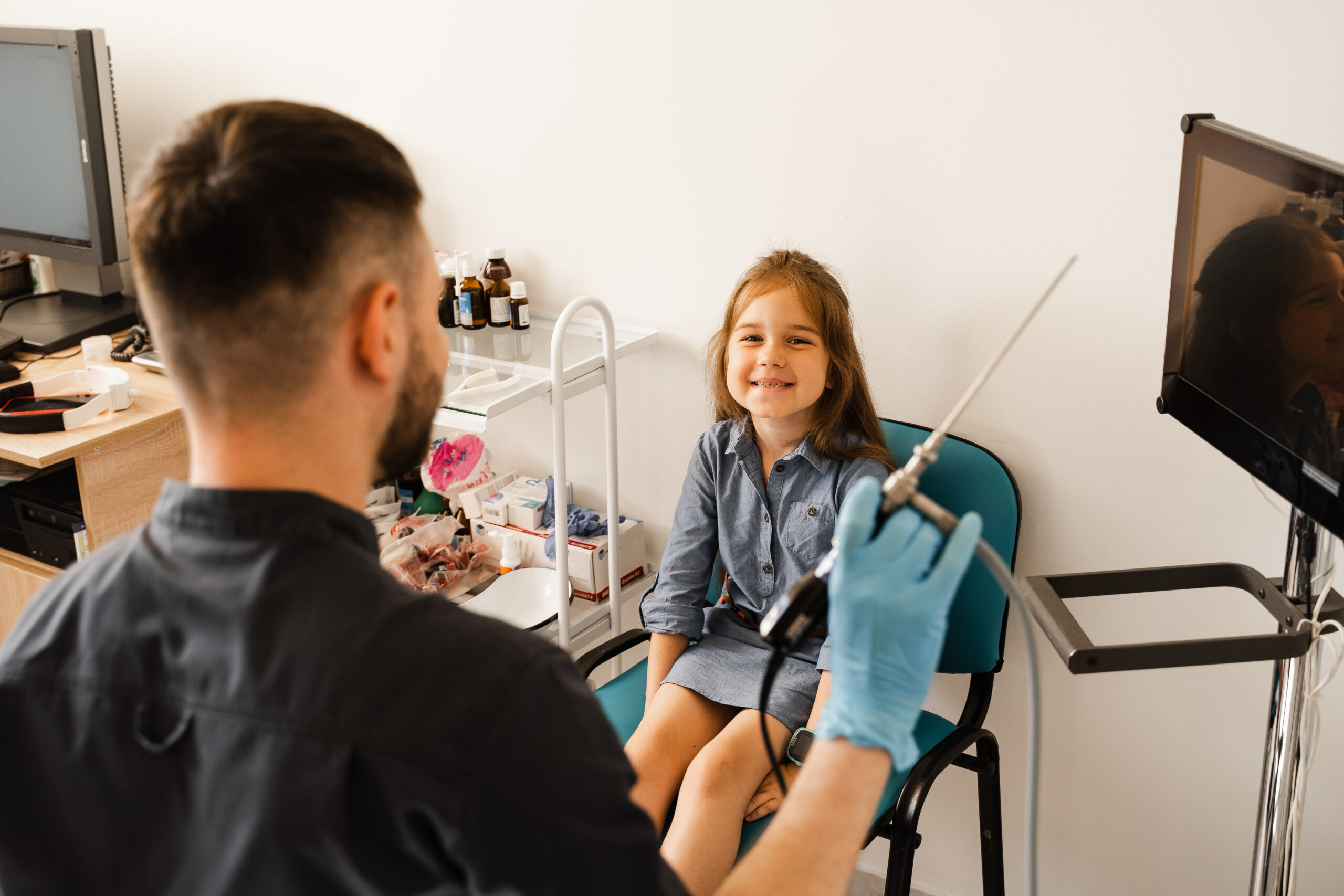
Many parents believe orthodontic treatment should only begin after all permanent teeth have come in. In reality, some orthodontic concerns can be identified much earlier, allowing for careful monitoring or early intervention when needed.
An orthodontic evaluation during childhood gives parents a clearer understanding of how their child’s teeth, bite, and jaw are developing. In many cases, no immediate treatment is necessary, but regular monitoring can help prevent more complex problems later.
At Mancini Orthodontics, Dr. Kevin Mancini helps families in Hampstead, Jacksonville, and surrounding communities evaluate children’s smiles as they grow. Every child develops differently, so recommendations are always based on individual needs rather than age alone.
If you’ve noticed changes in your child’s smile or bite, here are seven common signs that it’s time to schedule an orthodontic evaluation.
1. Crowded or Overlapping Teeth
One of the earliest signs of an orthodontic issue is crowding. If permanent teeth appear twisted, overlapping, or have little room to grow properly, it may indicate that the jaw doesn’t have enough space.
Crowded teeth can lead to:
- Difficulty brushing and flossing
- Increased plaque buildup
- Higher risk of cavities and gum problems
- Uneven tooth wear over time.
An orthodontist can determine whether your child simply needs monitoring or if early treatment may help create space for developing teeth.
2. Difficulty Biting or Chewing
Children should be able to bite and chew comfortably without discomfort or jaw movement.
Signs of a bite problem may include:
- Upper and lower teeth not fitting together properly.
- Difficulty chewing certain foods
- Jaw shifting while closing the mouth.
- Frequently biting the inside of the cheeks.
Bite issues can affect both comfort and long-term dental function. Early evaluation helps identify whether the bite is developing normally.
3. Mouth Breathing or Jaw Development Concerns
If your child regularly breathes through their mouth rather than their nose, it may be worth discussing this with both your pediatrician and orthodontist.
While mouth breathing does not always indicate an orthodontic problem, it can sometimes be associated with changes in jaw growth, facial development, or bite alignment.
An orthodontic evaluation helps determine whether the development of the teeth and jaws is progressing as expected or if additional monitoring is recommended.
4. Early or Late Loss of Baby Teeth
Baby teeth act as natural guides for permanent teeth. Losing them much earlier or later than expected can sometimes affect how adult teeth erupt.
An orthodontist will evaluate whether:
- Permanent teeth have enough room to emerge.
- Teeth are erupting in the correct position.
- Future crowding or spacing problems are likely.
Monitoring these changes early often helps create a smoother treatment plan if orthodontic care becomes necessary later.
5. Thumb Sucking or Other Oral Habits
Many young children suck their thumbs or use pacifiers during infancy, which is perfectly normal. However, if these habits continue for several years, they may begin to influence dental development.
Long-term oral habits can contribute to:
- Changes in tooth alignment
- Open bites
- Narrow upper jaws
- Bite irregularities
Every child is different, so an orthodontic evaluation can determine whether these habits have affected your child’s smile.
6. Teeth That Stick Out
Front teeth that protrude significantly are often more vulnerable to accidental injury during sports, playground activities, or everyday falls.
Besides increasing the risk of dental trauma, protruding teeth may also affect your child’s confidence as they become more aware of their appearance.
An orthodontic assessment can help determine whether treatment should begin early or whether it’s better to continue monitoring growth.
7. Your Child Avoids Smiling
Sometimes the most noticeable sign isn’t physical, it’s behavioral.
If your child:
- Covers their mouth while laughing
- Avoid smiling in photos.
- Feels embarrassed about crooked teeth
- Mentions they don’t like how their smile looks
It may be worth having their smile evaluated.
Orthodontic care isn’t only about improving appearance. Proper tooth alignment can also support better oral hygiene, comfortable chewing, and healthy jaw function as children grow.
Why Early Orthodontic Evaluations Matter
Early orthodontic evaluations don’t always lead to braces. Many children only need regular monitoring as their teeth and jaws develop. Identifying concerns early allows treatment to begin when needed, supporting healthier smile development and potentially reducing the risk of more complex issues later. If you’re unsure, scheduling an orthodontic consultation can provide clear guidance and peace of mind.
When Should Parents Schedule an Evaluation?
Parents don’t have to wait until all permanent teeth have erupted or until their child becomes a teenager.
Consider scheduling an evaluation if you notice:
- Crowded or crooked teeth
- Bite problems
- Early or delayed loss of baby teeth
- Persistent thumb sucking
- Mouth breathing
- Teeth that protrude noticeably
- Changes in your child’s confidence about their smile
Even if everything appears normal, an early evaluation provides a helpful baseline for tracking your child’s dental development.
Conclusion
Healthy smiles begin with early awareness. While not every child will require orthodontic treatment, recognizing potential concerns early allows families to make informed decisions and receive guidance tailored to their child’s growth.
At Mancini Orthodontics, families receive personalized evaluations focused on healthy smile development, not unnecessary treatment. Whether your child needs immediate care or simply routine monitoring, an early orthodontic assessment can help ensure their smile develops in the healthiest way possible.
Ready to learn more? Schedule an appointment with Dr. Kevin Mancini to receive a personalized orthodontic evaluation and recommendations based on your child’s unique smile.
Frequently Asked Questions (FAQ’s)
What is the best age for an orthodontic evaluation?
Most children should have their first orthodontic evaluation around age 7.
Does an early orthodontic evaluation mean my child needs braces?
No, many children only need regular monitoring before treatment is necessary.
What happens during the first orthodontic visit?
The orthodontist checks your child’s teeth, bite, jaw growth, and smile development.
Can early orthodontic care help prevent future problems?
Yes, early evaluation can identify developing issues before they become more complex.
When should I schedule an orthodontic consultation for my child?
Schedule a consultation if you notice crowded teeth, bite problems, or concerns about your child’s smile.