61 N. Hampstead Village Dr., Hampstead, NC 28443

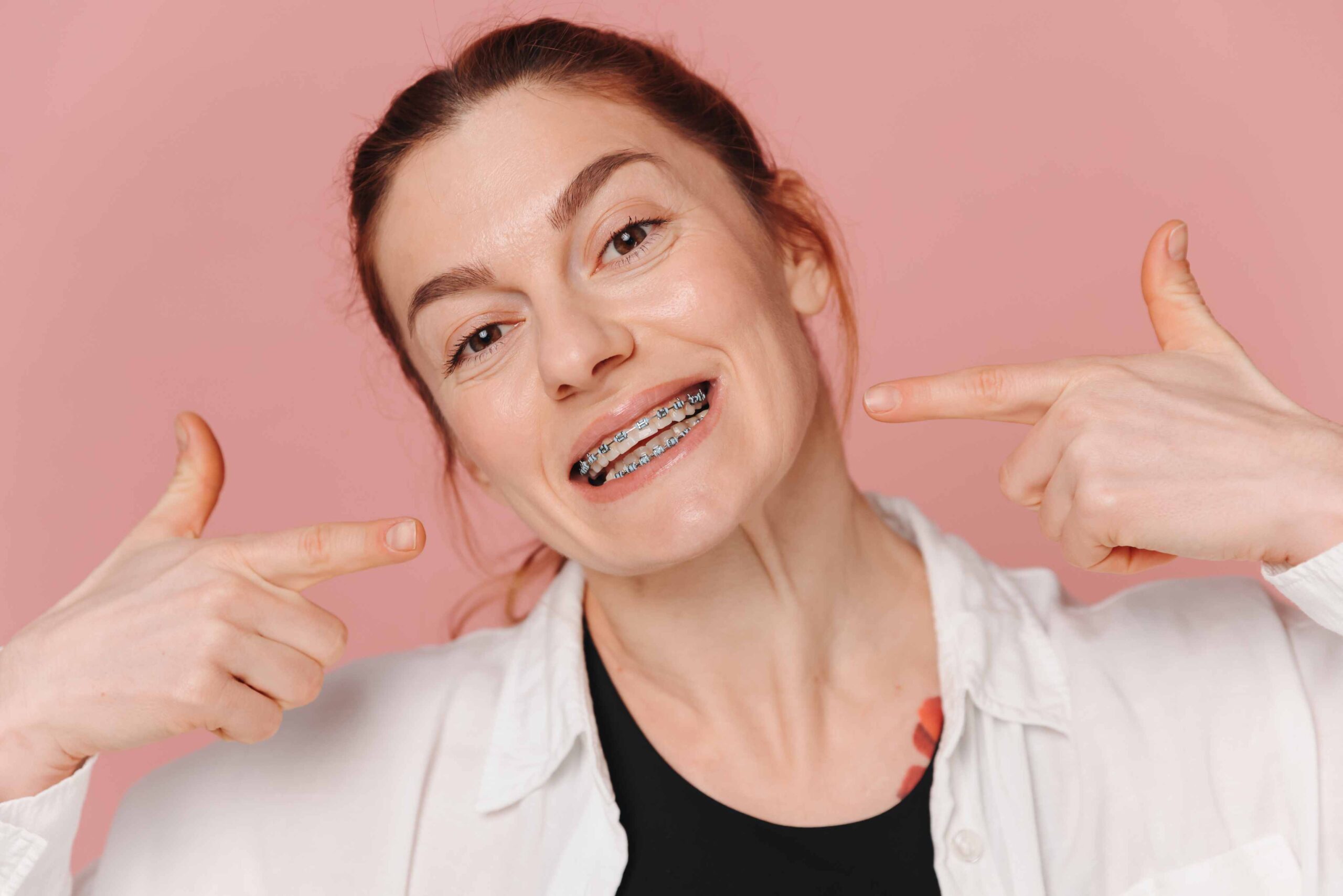
Nobody warns you about month eight.
That’s usually when a jaw surgery patient sits in our Hampstead chair, looks in the hand mirror, and says some version of: “This looks worse than when I started.”
They’re right. And it’s supposed to.
If corrective jaw surgery is part of your plan, your bite will get visibly worse before it gets better. That isn’t a mistake, a setback, or a sign your orthodontist missed something. It’s the mechanics of how braces and orthognathic surgery work together. Here’s the honest version of that timeline.
Why Your Bite Gets Worse First
When your upper and lower jaws don’t match, your teeth spend years quietly compensating. They tip and drift to force a workable bite out of a skeleton that won’t cooperate. With an underbite, the upper front teeth flare outward to reach. With a strong overbite, the lower teeth lean forward to meet them.
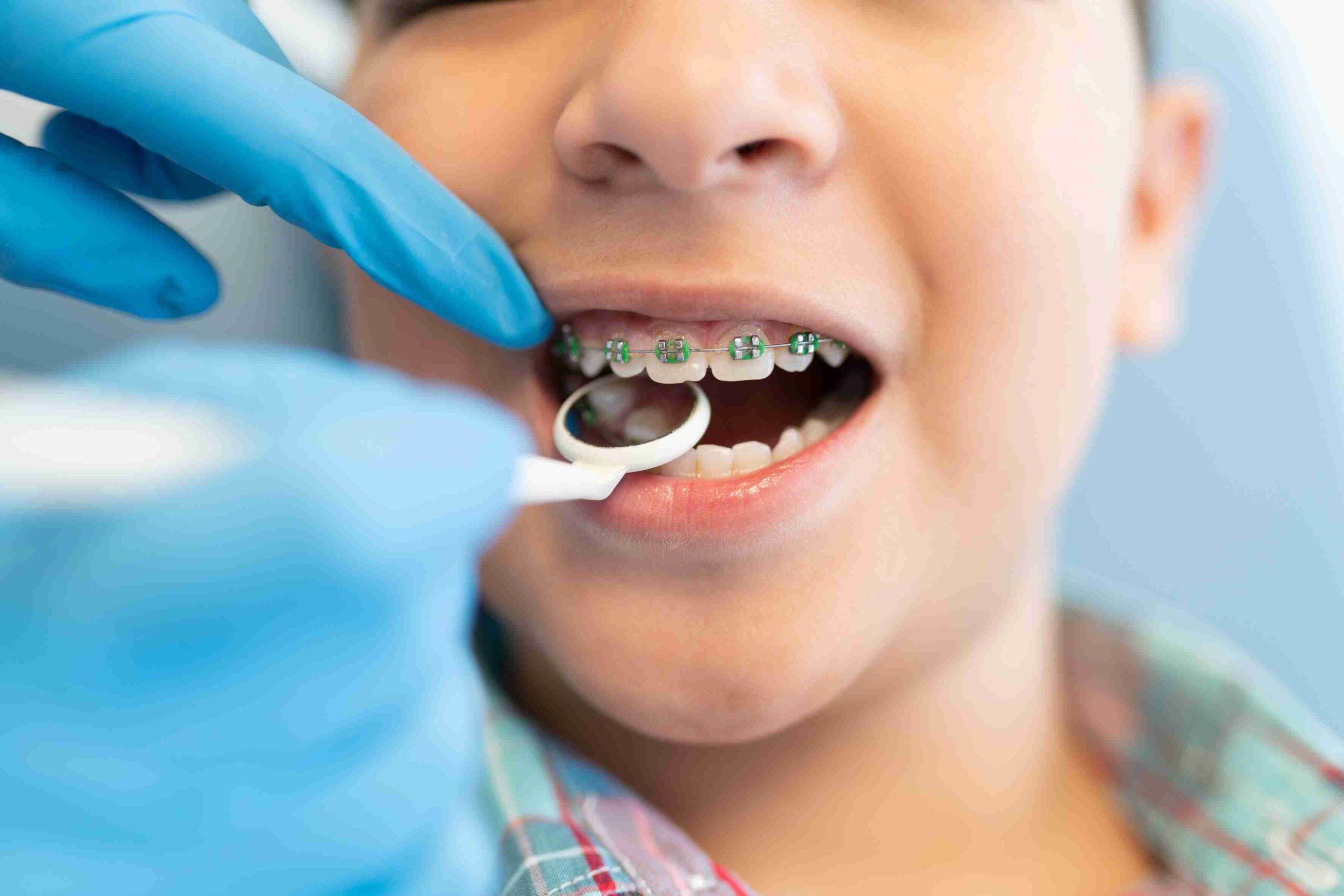
Braces before surgery undo that camouflage. We call it dental decompensation. Each tooth gets moved back to where it actually belongs on its own jaw, which strips away the disguise and exposes the real size of the skeletal gap.
So your overjet may grow. An open bite may widen. Chewing can get harder for a while.
That’s your surgeon’s target coming into focus. Skip this step, and the surgeon can only reposition your jaws as far as your crooked teeth allow. Which is rarely far enough to last.
Phase One: Braces Before Surgery (12 to 24 Months)
This is the long half, and most practices undersell it.
A review of 185 consecutive surgical-orthodontic patients put the pre-surgical braces phase at a median of 24.4 months. A separate 207-patient study reported 19.2 months. A smaller series averaged 17.5 months.
One factor moves that number more than any other: extractions. When teeth have to come out to make room, treatment stretches by an average of 8 to 9 months. Worth knowing before you sign on.
What’s actually happening during this stretch:
- Full diagnostic records, including digital scans and cephalometric imaging
- Leveling and aligning each arch independently
- Coordinating arch widths so the jaws will fit once they’re repositioned
- Joint planning sessions with your oral and maxillofacial surgeon
Surgical hooks go on your braces roughly four to six weeks before the surgery date. That’s your cue that the finish line is real.
Surgery Week: What Pender County Families Should Plan For
Your surgery happens in a hospital, not our office. Most patients from Hampstead, Sloop Point, and Scotts Hill travel south to Wilmington for it, so build the US 17 drive into your planning. Early-morning procedures mean leaving in the dark.
Plan on two weeks of genuine recovery, soft food for six to eight weeks, and frequent elastic adjustments during the first month.
Scheduling that actually works around here:
- Topsail school families: early June surgery clears recovery well before August
- Military families commuting to Camp Lejeune: confirm pre-authorization before orders shift
- Anyone who works the water: avoid peak spring and fall fishing season
Phase Two: Braces After Surgery (4 to 12 Months)
The short half, and the rewarding one.
Published studies report post-surgical orthodontics running a median of 4.6 to 6.4 months, occasionally stretching toward 12. Your teeth finally have a skeleton that cooperates, so progress that used to take months now takes weeks. We settle the bite, close any residual spaces, and refine how the teeth meet.
Then braces come off and retainers begin. Retention after surgical orthodontics isn’t optional, and it isn’t temporary.
What the Research Actually Shows
A 2026 systematic review pooling 65 studies and 6,482 patients found overall patient satisfaction at 87.6%. In a 290-patient cohort, 93.8% reported that treatment met or exceeded expectations. Skeletal stability held at one year or beyond in 87.3% of cases.
Now the part you deserve to hear from your orthodontist rather than a forum at 1 a.m.
Temporary numbness in the lip or chin affects roughly half of patients. About 92.6% recover full sensation within 12 months, while 3.4% experience some permanent change. Relapse greater than 2mm shows up in about 18.7% of cases.
Those numbers are why we plan conservatively and why we won’t recommend surgery unless the alternative genuinely can’t get you there.
Two to Three Years Is a Real Commitment
Combined treatment typically runs 24 to 36 months from first bracket to final retainer. For a family in Surf City, Rocky Point, Holly Ridge, or Burgaw, that’s a long stretch of Thursday appointments. It deserves more than a fifteen-minute conversation and a treatment estimate.
Schedule a complimentary consultation at our Hampstead office. No referral needed, and no obligation. You can also meet Dr. Mancini and read more about surgical orthodontics before you come in.
Frequently Asked Questions (FAQ’s)
How long do you wear braces before jaw surgery?
Most patients wear braces 12 to 24 months before jaw surgery, with published medians landing around 19 to 24 months.
Does your bite get worse before jaw surgery?
Yes, and intentionally so, because pre-surgical braces decompensate the teeth to reveal the true skeletal discrepancy for the surgeon.
How long do braces stay on after jaw surgery?
Braces typically stay on 4 to 12 months after jaw surgery, with most studies reporting a median near 5 to 6 months.
What is the total treatment time for braces and jaw surgery?
Combined orthodontic and surgical treatment usually takes 24 to 36 months from the first bracket to the final retainer.
Can you have jaw surgery without braces first?
A surgery-first approach exists and can shorten total treatment to roughly 15 months, but it suits only carefully selected cases.