Our Blog

Thanksgiving in North America

November 17th, 2017
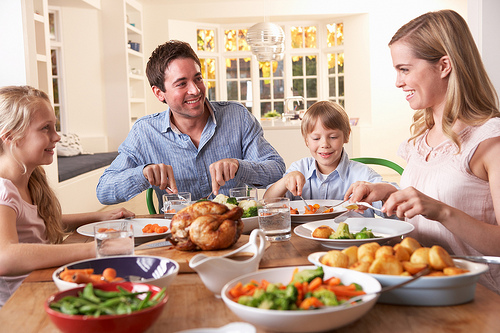
Thanksgiving marks the start to the holidays; a season filled with feasting, indulging, and spending time with family and friends are always special. Thanksgiving is a holiday meant for giving thanks, and while this may seem like such a natural celebration, the United States is only one of a handful of countries to officially celebrate with a holiday.

Unlike many holidays, Thanksgiving is a secular holiday, and it is celebrated on the fourth Thursday in November in the United States. In Canada, it is celebrated on the second Monday of October, which is, oddly enough, much closer to a time when harvests were likely gathered. In addition to the different dates, the origins of the celebration also share different roots.

Thanksgiving in the United States

Giving thanks for a bountiful harvest are not new, but the modern day holiday in the US can be traced to a celebration at Plymouth in Massachusetts in 1621. This feast of thanksgiving was inspired by a good harvest, and the tradition was simply continued on. At first, the colony at Plymouth didn't have enough food to feed everyone present, but the Native Americans helped by providing seeds and teaching them how to fish, and they soon began to be able to hold a feast worthy of the name. The tradition spread, and by the 1660s, most of New England was hosting a Thanksgiving feast in honor of the harvest.

Canadian Thanksgiving

An explorer of early Canada named Martin Frobisher is accredited for the first Canadian Thanksgiving. He survived the arduous journey from England through harsh weather conditions and rough terrain, and after his last voyage from Europe to present-day Nunavut, he held a formal ceremony to give thanks for his survival and good fortune. As time passed and more settlers arrived, a feast was added to what quickly became a yearly tradition. Another explorer, Samuel de Champlain, is linked to the first actual Thanksgiving celebration in honor of a successful harvest; settlers who arrived with him in New France celebrated the harvest with a bountiful feast.

A Modern Thanksgiving

Today, Thanksgiving is traditionally celebrated with the best of Americana. From feasts and football games to getting ready for the start of the Christmas shopping season, Thanksgiving means roasted turkey, pumpkin pie, and green bean casserole. No matter how you celebrate this momentous day, pause for a moment to give thanks for your friends, family, and all the bounties you’ve received. Happy Thanksgiving from Mancini Orthodontics!

Braces-Friendly Foods

November 10th, 2017

Having braces can be frustrating when you have to be cautious about eating certain foods or having to avoid them altogether. Making sure your braces don’t bend or break is vital when you’re trying to straighten your teeth quickly and properly. Dr. Kevin Mancini and our team have come up with a list of foods to avoid, and which foods you can enjoy while you have braces.

No matter how careful you are, excessive chewing of hard-to-eat foods will eventually cause problems for you and your braces. Knowing what you can and cannot eat at a meal may be helpful when you first get your braces on.

Some foods are too hard for braces, because they can break wires or create damage that will have to be fixed by Dr. Kevin Mancini. Avoiding the following snacks will prevent this from occurring:

  • Hard candies
  • Gum
  • Nuts
  • Popcorn
  • Some hard raw vegetables or fruits (carrots, apples)
  • Ice
  • Chips

There are plenty of safe options for breakfast. They include eggs, yogurt, pancakes, oatmeal, soft toast, bananas, and even bacon.

For lunch, avoid hard or abrasive foods, undercooked vegetables, or apples. Safer options include a delicious stew, soft-breaded deli sandwich, or a mixed salad. Always be careful when biting into foods, and try to cut solid meal items into small chewable portions whenever possible.

A healthy braces-friendly dinner can come in many forms. Soft, steamed vegetables paired with a lean protein make a great option. The addition of rice or quinoa can complete the meal. Just remember to brush and floss after, because these small grains are likely to get stuck between braces and teeth.

During your treatment, Dr. Kevin Mancini will tighten your braces at each checkup. Braces tightening can sometimes leave your teeth feeling sore afterward. During this time, we recommend picking soft food options until the pain goes away, such as:

  • Pudding
  • Mashed potatoes
  • Soup
  • Ice cream
  • Cottage cheese
  • Peas
  • Pasta
  • Yogurt
  • Muffins

It’s also essential to pay close attention to your oral health routine. When food is stuck between braces, you’re more likely to experience plaque and decay buildup. If you want to keep your teeth from appearing discolored when your braces come off, keep up with brushing and flossing after every meal!

If you notice your braces are damaged after you’ve eaten a meal, contact our Hampstead, NC and Jacksonville, NC office to schedule an appointment right away. Our team is here to help with any issues that come up while you are in braces, and to answer any questions you may have about which foods you can and cannot eat.

Color Combinations of Elastics for the Holidays

November 3rd, 2017

There's something special about customizing the elastics on your braces to fit your unique personality. Once you embrace your braces (no pun intended) you'll realize how many color options and combinations there are to choose from. Although you'll have a fantastic smile afterward, you won't have this level of customizability once your braces come off, that's for sure!

Adding flair to your braces isn't what all patients are looking to do (like those opting for clear aligners or ceramic braces), but it's part of the fun of traditional metal braces! Many of our patients ask Dr. Kevin Mancini to have their elastics match the colors of their favorite sports teams or their school, but how about changing your elastics to match holiday colors?

Here are some options to consider:

  • Valentine’s Day – Red and pink
  • Easter – Pink, blue, and violet
  • Halloween – Orange and black
  • Christmas – Red, green, and white
  • Saint Patrick’s Day – Green and white

There are a few colors that some people choose to avoid. But if you’re trying to make your teeth stand out in a crowd, the following suggestions need not apply!

  • Brown or Green – can be mistaken for food being stuck in your teeth
  • Black – might look like a rotten tooth if someone isn't looking hard enough
  • White – Some patients think it will make their teeth look whiter, but in fact it can make your teeth appear yellower than they actually are. White elastics can also stain easily.
  • Yellow – accentuates the yellowness of your enamel

Since changing the color of your elastics has no effect on the actual orthodontic treatment process, the idea is to have fun and add a personal touch. So, next time you get your elastics changed at our Hampstead, NC and Jacksonville, NC office, why not wear your braces boldly and opt for something festive?

The Intriguing History of Halloween

October 27th, 2017

Halloween is fast approaching, and Dr. Kevin Mancini wanted to be sure to wish our patients a happy day, no matter how you might celebrate this holiday. The Halloween that is familiar to most people today bears little resemblance to the original Halloween; back in the "old days" it wasn't even called Halloween!

Festival of the Dead

Halloween started out as a Celtic festival of the dead that honored departed loved ones and signified a change in the cycle of the seasons. The Celtic people viewed Halloween, then called "Samhain," as a very special day – almost like our New Years day in fact, as their new calendar year began on November 1st. Samhain was the last day of autumn, so it was the time to harvest the last of the season's crops, store food away for winter, and situate livestock comfortably for the upcoming cold weather. The Celts believed that during this day, the last day of winter, the veil between this world and the spirit world is the thinnest, and that the living could communicate with departed loved ones most effectively on Samhain due to this.

Modern Halloween

Halloween as we know it today started because Christian missionaries were working to convert the Celtic people to Christianity. The Celts believed in religious concepts that were not supported by the Christian church, and these practices, which stemmed from Druidism, were perceived by the Christian church as being "devil worship" and dangerous.

When Pope Gregory the First instructed his missionaries to work at converting the Pagan people, he told them to try to incorporate some of the Pagan practices into Christian practices in a limited way. This meant that November 1st became "All Saints Day," which allowed Pagan people to still celebrate a beloved holiday without violating Christian beliefs.

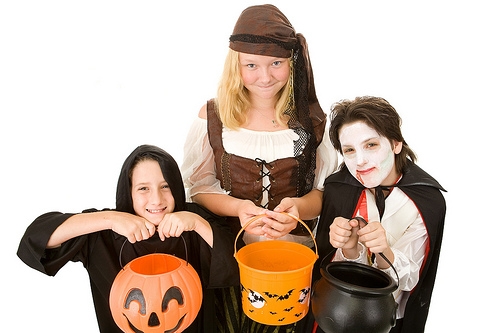
Today, Halloween has evolved into a day devoted purely to fun, candy, and kids. What a change from its origins! We encourage all of our patients to have fun during the holiday, but be safe with the treats. Consider giving apples or fruit roll-ups to the kids instead of candy that is potentially damaging to the teeth and gums.

Remind kids to limit their candy and brush after eating it! Sweets can cause major tooth decay and aggrivate gum disease, so to avoid extra visits to our Hampstead, NC and Jacksonville, NC office, make your Halloween a safe one!