July 15th, 2020
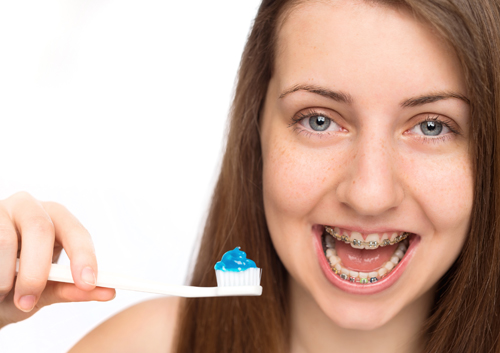
A clean mouth is a happy mouth. And when Dr. Kevin Mancini and our staff see you have a clean mouth, we are happy too. Of course, all of this should make you happy because you’re the one preventing sneaky little food bits from getting trapped under the wires of your braces.
Still, you need to be thorough with your brushing. When you have braces, you’re playing a game of hide-and-go-seek with everything you eat. Here are five tips to keep your mouth (and us) happy.
- How is brushing with braces like geometry? It’s all about the angles. Brush the tops of your teeth and braces with your brush angled down. Brush the bottom of your teeth with the brush angled up. Pointy brushes, aka interproximal brushes, are good for reaching the tiny spots around braces.
- Brush after every meal. If those sneaky little food bits hide in your mouth for very long, they’ll turn into plaque. And plaque is a sign of a very unhappy mouth.
- Brush one tooth at a time for at least ten seconds, and pay close attention to the spots where your braces touch your teeth.
- Fluoride is your new BFF. Make sure your toothpaste and mouthwash contain this cavity-fighting ingredient.
- Braces are no excuse not to floss. In fact, saying you can’t floss because you have braces is like saying the dog ate your homework. Dr. Kevin Mancini and our staff, like your geometry teacher, aren’t going to buy it. Be sure to floss after every meal.
July 8th, 2020
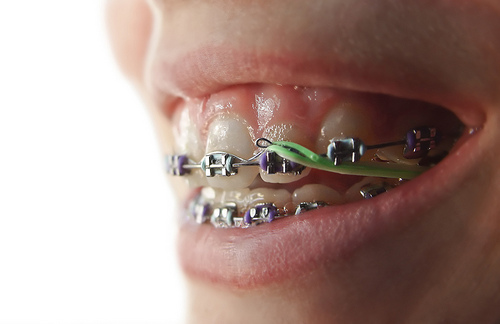
Most of our patients at Mancini Orthodontics will need to wear rubber bands at some point during their orthodontic treatment. The main reason our patients are instructed to wear rubber bands is to correct their bite. If your teeth do not fit together properly, Dr. Kevin Mancini will recommend that rubber bands be used. Dr. Kevin Mancini may also recommend using rubber bands to close or open spaces.
Rubber bands are a critical part of your treatment, and wearing them as Dr. Kevin Mancini and our team recommend will help move your teeth into the desired position. Dr. Kevin Mancini may ask you to wear your rubber bands full time, meaning that they should only be taken out when you brush and floss your teeth three times a day. Other times, you may be asked to only wear them part-time, like only during the day or only during sleep.
If you still have any questions about orthodontic rubber bands, we invite you to give us a call or ask us during your next adjustment appointment. Remember, wearing rubber bands as prescribed by Dr. Kevin Mancini is an important step during your treatment, and can reduce the time you have your braces. If you lose your rubber bands or run out, stop by our Hampstead, NC and Jacksonville, NC office and pick up more!
July 1st, 2020

If you participate in sports or other physical activities, it’s wise to consider getting a mouthguard. Also known as mouth protectors, mouthguards are a device worn over the teeth to lessen the impact of a blow to the face.
This reduces the chance that you might lose teeth or sustain other serious oral injuries. We recommend that all patients involved in a contact sport such as wrestling, football, or hockey wear a mouthguard because of the high risk of such injuries.
However, anyone involved in a physically demanding sport or activity should wear a mouthguard as well.
Can you imagine what it would be like to lose a few of your front teeth? The way you talk, eat, and smile would all change. Potential injuries when you don’t wear a mouthguard include chipped and broken teeth, fractured jaws, root damage, damage to crowns and bridgework, concussions, and/or injury to the lips, cheeks, or gums.
Types of Mouthguards
There are three different types of mouthguards — typically made of a soft plastic material or laminate. You can decide which works best for you in terms of budget, fit, and comfort.
- Stock mouthguards are prefabricated to a standard size. They offer adequate protection, but you need to make sure you find one that fits properly and comfortably. Stock mouthguards are readily available at department stores, sporting goods stores, and online.
- Boil-and-bite mouthguards are placed in boiling water to soften them, then into the mouth so they can conform to the shape of the teeth. Boil-and-bite mouthguards are more expensive, but offer a more customized fit than stock ones. You can find these in department stores, pharmacies, sporting goods stores, and online.
- Custom-made mouthguards are created just for you by Dr. Kevin Mancini. These offer the best fit and comfort of all the options, but they are also the most expensive. Ask a member of our Hampstead, NC and Jacksonville, NC team for more information.
The American Dental Association says a good mouthguard should be easy to clean, fit properly, be comfortable, and resist tearing or damage. It shouldn’t restrict speech or breathing.
Still not sure if you need a mouthguard or which kind is right for you? Ask Dr. Kevin Mancini or one of our staff members for more information.
June 24th, 2020
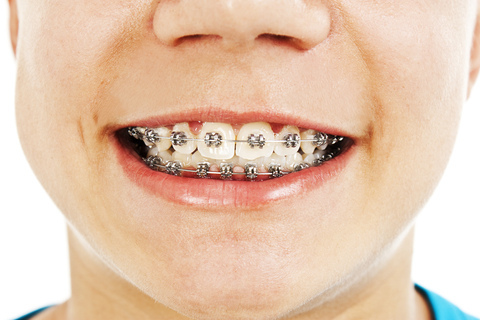
Perhaps you feel your teeth are not perfectly straight, or you think your bite could be adjusted. It’s quite possible that braces and other orthodontic treatments might be the right choice for you. As orthodontic professionals, our team at Mancini Orthodontics works with your general dentist in order to determine the best options for your oral health and cosmetic appearance.
You might need braces if ...
- You lost your baby teeth relatively early in life. If your baby teeth fell out too early and your adult teeth did not come in for a while, this could have affected the way your adult teeth grew and developed.
- Your teeth look crowded or crooked. If you are embarrassed to smile because your teeth are not straight, it might be time to consider the cosmetic options available to you.
- Your jaw shifts or makes sounds. This can signify a developmental issue with your teeth and your jaw line, and orthodontic treatment may be able to help. Set up an appointment with Dr. Kevin Mancini if your jaw is recessed or protruding as well.
- You are constantly biting the sides of your cheek or hitting the roof of your mouth. This could indicate that your teeth are not properly aligned. Braces can address an underbite or an overbite.
- You have a difficult time chewing your food. This is not only an inconvenience, but it can also be detrimental for your health. Braces can help fix the alignment of your teeth.
- You have to breathe through your mouth on a regular basis. You may not attribute this to an issue with the development of your teeth or jaw, but orthodontic treatment might be able to help.
The ideal age for a child to be seen by an orthodontist is age seven. However, there are many orthodontic treatment options available to adults. It is becoming increasingly common for adults to wear braces and other orthodontic devices. We recommend that people who are interested in braces and other orthodontic treatment options set up a consultation appointment with Dr. Kevin Mancini today.