61 N. Hampstead Village Dr., Hampstead, NC 28443


Searching for “Invisalign near me” often brings up both dental offices and orthodontic practices. Since either type of provider may offer clear aligners, the choice can feel confusing.
Here is the key difference: a dentist focuses on overall oral health, while an orthodontist specializes in moving teeth and correcting bites. For simple cases, either may provide treatment. For more complex alignment or bite concerns, an orthodontist usually offers a deeper level of specialized training.
For patients in Hampstead, NC, understanding those roles can help you choose an Invisalign provider with confidence.
What Does a General Dentist Do?
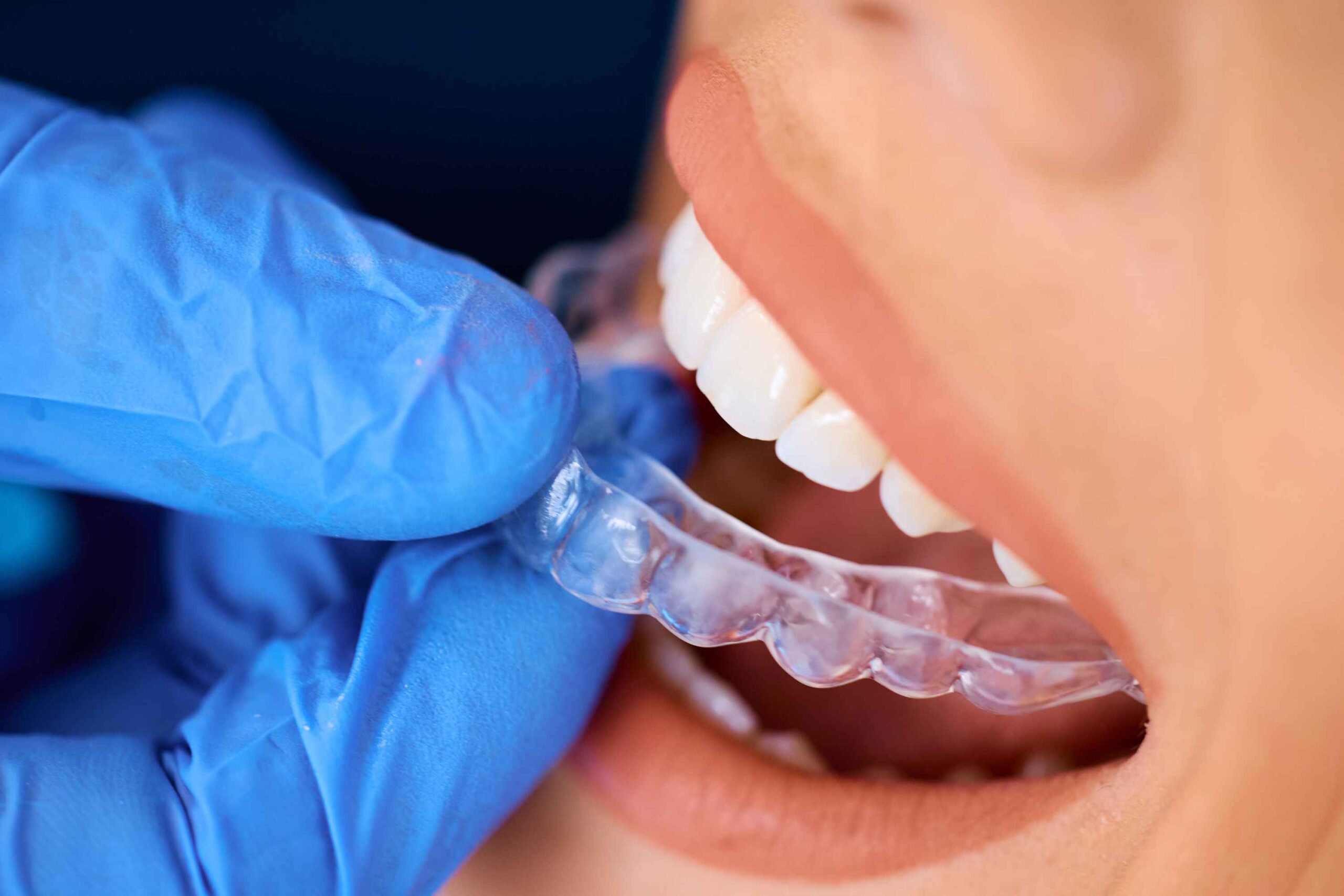
A general dentist is your primary provider for routine dental care. Dentists diagnose cavities, treat gum problems, perform cleanings, restore damaged teeth, and help patients maintain healthy smiles. Some dentists also complete training to provide Invisalign.
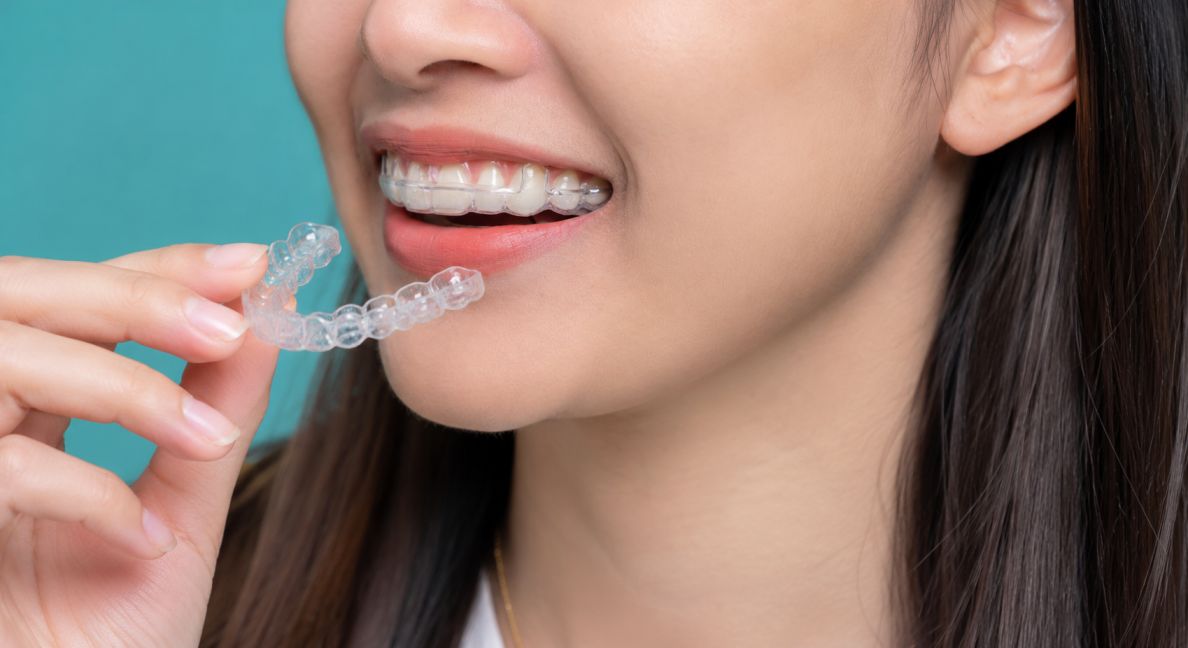
For mild alignment concerns, an experienced dentist may manage treatment successfully. However, Invisalign is still orthodontic treatment. The trays apply controlled pressure to move teeth, and those movements can change how your upper and lower teeth fit together.
Your mouth also needs to be healthy before treatment begins. Cavities, active gum disease, or other concerns may need attention first. That is why your general dentist remains important even when an orthodontist manages Invisalign.
What Makes an Orthodontist Different?
Every orthodontist first graduates from dental school. An orthodontist then completes an additional accredited residency focused on tooth movement, bite correction, jaw development, and facial growth. According to the American Association of Orthodontists, this specialist education generally takes another two to three years.
Orthodontists spend their working days treating alignment and bite problems. They use braces, clear aligners, retainers, and other appliances based on each patient’s needs.
An orthodontist evaluates the relationship between your teeth and jaws, not only the part of your smile visible in a photo. The goal is a result that looks attractive while supporting a stable, functional bite.
When Might a Dentist Be a Reasonable Choice?
A dentist may be a reasonable option when the case is limited, the patient has healthy teeth and gums, and the provider has meaningful clear aligner experience. Small spaces or minor crowding, for example, may not require complicated movements.
Before committing, ask these questions:
- How many Invisalign cases does the provider manage?
- Will X-rays and digital scans be taken?
- Who creates and approves the treatment plan?
- How often will progress be checked?
- What happens if the teeth do not track as planned?
- Are refinements and retainers included?
The answers matter more than the Invisalign logo on the door. Invisalign supplies the system, but the treating professional makes the clinical decisions.
When Is an Orthodontist the Better Choice?
An orthodontist is often the stronger choice when treatment involves significant crowding, rotated teeth, an overbite, underbite, crossbite, open bite, missing teeth, previous orthodontic relapse, or concerns about jaw alignment.
Clear aligner software can create a polished digital preview, but teeth do not always move exactly as predicted. Attachments, elastics, refinements, or a change in approach may be needed. Orthodontists are trained to diagnose bite problems, plan tooth movement, and manage complications during treatment.
A specialist may also determine that Invisalign is not the most efficient option for a particular case. Because orthodontists work with several treatment methods, they can compare aligners with braces or other appliances instead of forcing every smile into one solution.
Your Dentist and Orthodontist Can Work Together
Choosing an orthodontist for Invisalign does not mean replacing your dentist. The two providers have complementary roles.
Your dentist continues to manage cleanings, cavity prevention, gum health, and restorative care. Your orthodontist focuses on moving the teeth and improving the bite. The AAO recommends continuing regular dental cleanings during orthodontic treatment, along with careful brushing and flossing.
This team approach gives your smile both kinds of attention: healthy teeth and gums, plus properly planned tooth movement.
How to Choose an Invisalign Provider in Hampstead, NC
When comparing Invisalign providers near Hampstead, look beyond convenience or the lowest advertised price. Choose a provider who performs a complete examination, explains your options, reviews the goals of the plan, and monitors progress throughout treatment.
Ask what the fee includes, how unexpected issues are handled, how long treatment may take, and what type of retainer you will need afterward. A trustworthy provider should explain both the benefits and limitations of Invisalign without making the process sound effortless.
Local care also makes follow-up visits and adjustments easier. That matters when an attachment comes loose, an aligner stops fitting correctly, or your plan requires a refinement.
Dentist or Orthodontist for Invisalign: The Bottom Line
Both dentists and orthodontists may provide Invisalign, but their training and daily focus are different. A dentist is essential for maintaining healthy teeth and gums. An orthodontist specializes in moving teeth, correcting bites, and supervising orthodontic treatment.
For patients with bite concerns, complex alignment needs, or uncertainty about the best treatment method, an orthodontist is usually the stronger choice.
If you are exploring Invisalign in Hampstead, NC, schedule an appointment with Mancini Orthodontics. A personalized evaluation can show whether clear aligners are right for your smile and what your treatment may involve.
Frequently Asked Questions (FAQ’s)
1. Is an orthodontist better than a dentist for Invisalign?
An orthodontist is usually better for complex tooth movement and bite correction because they have specialized orthodontic training.
2. Can a regular dentist provide Invisalign treatment?
Yes, a general dentist can provide Invisalign if they have the required training and experience managing clear aligner cases.
3. Is Invisalign more expensive through an orthodontist?
Not always, since Invisalign costs depend more on case complexity, treatment length, refinements, and what is included in the plan.
4. How do I choose an Invisalign provider near me?
Choose a provider who offers a complete exam, digital scans, clear pricing, regular progress checks, and experience treating cases like yours.
5. Should I see a dentist before starting Invisalign?
Yes, your teeth and gums should be healthy before treatment, so cavities or gum disease may need to be treated first.