61 N. Hampstead Village Dr., Hampstead, NC 28443

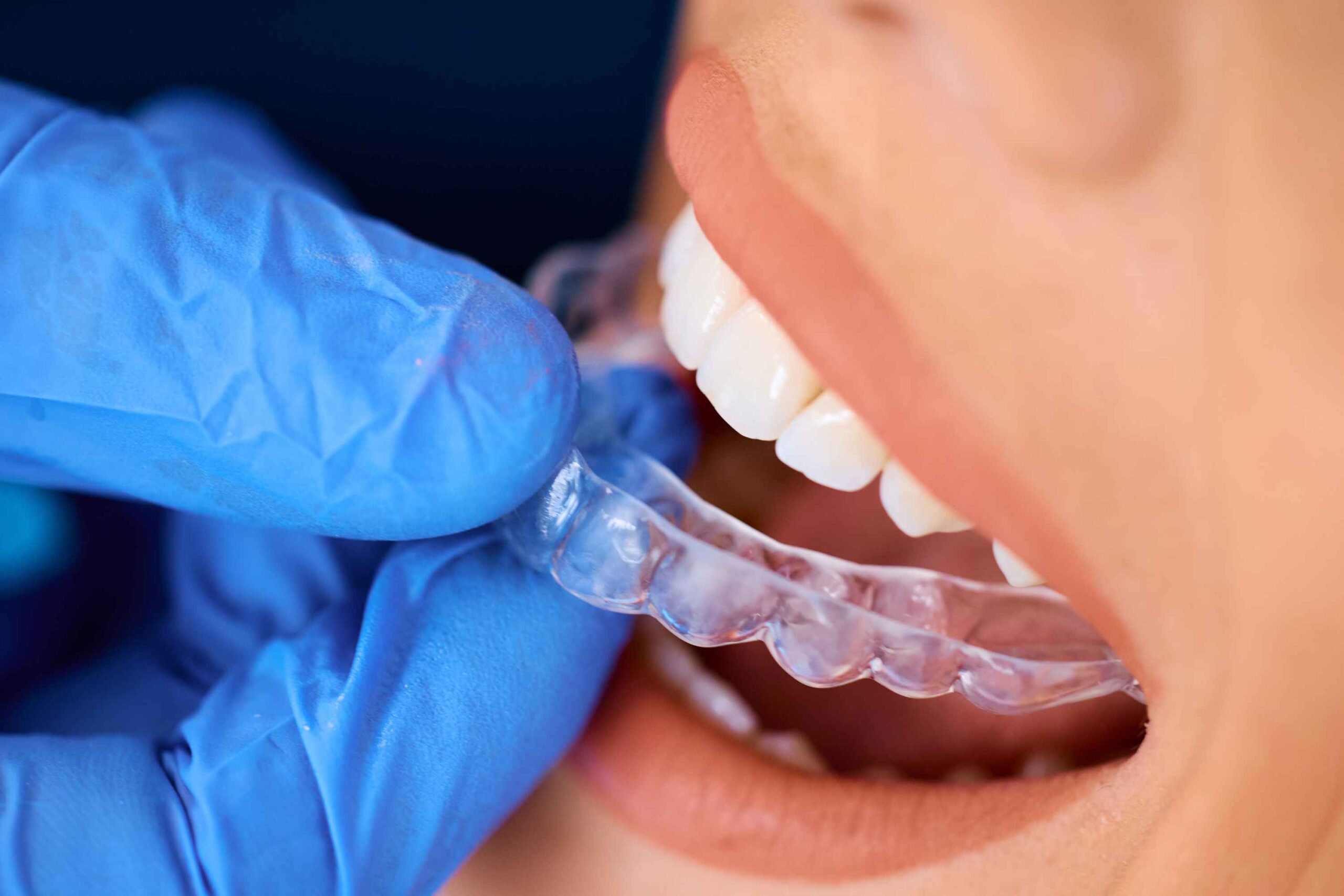
Every Invisalign consultation ends with a number. Twelve months. Eighteen months. Whatever the software projects.
Here’s what the research says about that number: it’s usually about five months short.
A study of 500 Invisalign patients published in the American Journal of Orthodontics and Dentofacial Orthopedics found the average case ran 22.8 months. The estimate given at the start averaged 5.1 months less than that.
I’d rather you hear that from me now than discover it in month fourteen.
Why Estimates Slip
Invisalign plans your teeth digitally, then builds trays to match. Teeth don’t always read the memo.
The same research group measured how closely actual tooth movement matched the digital prediction. In 2009 the accuracy was 41%. A follow-up study in 2020 put it at 50%. Better, and still only half.
That gap gets closed with refinements: a new scan and a fresh set of trays partway through. In the 500-patient study, the average case needed 2.5 refinement scans. Only 6% finished without a single one.
Refinements aren’t a failure. They’re how aligner treatment works, and any orthodontist who doesn’t mention them upfront isn’t being straight with you.
Realistic Timelines by What You’re Fixing
These are working ranges from published outcomes, not marketing numbers:
Minor gaps or mild crowding: 6 to 12 months. Spacing closes predictably. This is aligner treatment at its best.
Moderate crowding: 12 to 20 months. Depends heavily on whether teeth need rotating. Rotating canines and premolars is the weakest movement in the system, with accuracy hovering near 46 to 48%.
Deep bites, open bites, and crossbites: 18 to 30 months. Vertical correction is genuinely hard. One study measured overbite correction predictability at 33% after the first tray set.
Cases needing a mid-course change: about 17% of patients, roughly one in six, finish in braces instead. When that happens, expect around seven additional months.
Your case may land outside these ranges. That’s what the scan and the exam are for.
The Variable That’s Entirely Yours
Twenty-two hours a day. Not a suggestion.
A systematic review found only about 36% of patients consistently hit that mark. Another found self-reported wear time was reliable in just 43% of cases, which means most people genuinely believe they’re wearing them more than they are.
A 2025 randomized trial compared 12-hour and 22-hour wear. For very mild upper-arch crowding, results were similar. But lower front teeth moved significantly better in the 22-hour group. Your bottom teeth are the ones that notice.
Practical floor: below roughly 18 hours a day, trays stop seating flush and the case starts drifting.
Living With Aligners in the Seafood Capital of the Carolinas
Here’s where Hampstead makes this harder than it needs to be.
We’re a food town. There’s a reason people drive up US 17 for the fish houses, and there’s a reason the Spot Festival packs the place out every fall. That’s great for the community and rough on your clock.
Math matters more than willpower. Three real meals at twenty-five minutes each costs you about 75 minutes out of the mouth. Grazing your way through the day, plus a sweet tea at lunch and coffee on the commute to Wilmington, easily runs four hours. That’s the entire difference between finishing in twelve months and finishing in eighteen.
Two rules that fix most of it: eat meals, not snacks. And nothing but water goes in your mouth while the trays are in.
Aligners also come out for oyster roasts, beach days, and every plate of fried spots you’ll eat between now and October. Plan for it.
Timing Around Life Here
Topsail High families: if senior photos or prom drive your deadline, start counting backward at least 18 months, not 12.
Military families near Camp Lejeune: aligners travel better than braces, which is a real advantage during field time or a PCS. Tell us early if orders may be coming so we can build the tray sequence around them rather than around it.
Anyone commuting to Wilmington or Jacksonville: we build appointment spacing around drive time, not the other way around.
How We Keep You On Schedule
We quote conservatively. If our estimate feels longer than the one you got somewhere else, that’s deliberate.
We also tell people when aligners aren’t the fastest route. For certain crowding and rotation cases, our SPEED System self-ligating braces finish sooner than Invisalign will. Recommending them costs us nothing and saves you months.
Schedule a complimentary consultation at our Hampstead or Jacksonville office. No referral needed. You can also meet Dr. Mancini and read more about Invisalign clear aligners before you come in.
Frequently Asked Questions (FAQ’s)
How long does Invisalign take on average?
Research on 500 patients found Invisalign averaged 22.8 months, about 5.1 months longer than the initial estimate.
How long does Invisalign take for minor crowding or small gaps?
Mild crowding and small gaps typically take 6 to 12 months with consistent 22-hour daily wear.
Do most Invisalign patients need refinements?
Yes, only about 6% of patients finish without refinements, and the average case requires roughly 2.5 refinement scans.
How many hours a day do you have to wear Invisalign?
Invisalign requires 22 hours per day, and wearing them under about 18 hours causes trays to stop seating properly.
Can Invisalign fix bite problems, or only crooked teeth?
Invisalign can correct many bite problems, though deep bites, open bites, and crossbites usually take 18 to 30 months and may need braces to finish.